


-

Add: HeBei ShengShi HongBang Cellulose Technology CO.,LTD.
-

Email
13180486930@163.com -

CONTACT US
+86 13180486930


In the world of modern construction, synthetic fibers have revolutionized the way materials are used, enhancing the strength, flexibility, and durability of various building components. The different types of synthetic fibers available today are engineered for specific uses, making them indispensable in many construction projects. These fibers are often used to reinforce concrete, improve the resilience of building structures, and provide additional benefits like increased fire resistance and weather protection. From polypropylene fibers to long glass fibers , synthetic fibers offer a range of options tailored to different needs. Whether it’s increasing the strength of cement or providing insulation properties, the different types of synthetic fibers ensure that construction projects meet high standards of quality and longevity. In addition to their superior performance, synthetic fibers are often more cost-effective and readily available than traditional materials. This makes them a preferred choice for construction companies aiming to reduce costs while maintaining high-quality results. Furthermore, the environmental impact of synthetic fibers is increasingly being addressed with sustainable production methods, making them a more eco-friendly option for the construction industry. Long Glass Fiber Polypropylene: A Key Ingredient for Stronger Materials One of the standout synthetic fibers in the construction industry is long glass fiber polypropylene . This innovative fiber combines the strength of glass with the lightweight, corrosion-resistant properties of polypropylene. As a result, long glass fiber polypropylene is often used to reinforce concrete and other building materials, providing a significant boost in durability and performance. The inclusion of long glass fiber polypropylene in construction materials helps reduce cracking and improve the structural integrity of buildings and roads. The long fibers create a matrix that distributes stresses evenly across the material, preventing localized damage. This fiber is particularly useful in high-strength concrete applications where additional reinforcement is needed. Moreover, long glass fiber polypropylene is highly resistant to environmental factors like moisture, UV radiation, and temperature changes, making it ideal for both indoor and outdoor construction projects. It is commonly used in applications like paving, drainage systems, and even in the production of prefabricated building components. Its versatility and effectiveness in improving the lifespan and reliability of building materials make it a go-to solution for modern construction needs. Fibre Natural and Synthetic: A Comparison of Strength and Sustainability When choosing materials for construction, understanding the difference between fibre natural and synthetic options is crucial. While natural fibers such as jute, hemp, and cotton have been traditionally used in construction, synthetic fibers like polypropylene, polyester, and nylon have emerged as more durable and cost-effective alternatives. Fibre natural and synthetic materials each have their own advantages, making them suitable for different types of applications. Natural fibers are renewable, biodegradable, and often produced using more sustainable methods, making them a more eco-friendly option. However, they may not offer the same level of strength or resistance to environmental factors as synthetic fibers. On the other hand, synthetic fibers are engineered for durability, offering superior resistance to moisture, heat, and wear. They are often used to enhance the properties of natural materials, making them more suitable for demanding construction environments. For example, natural fibers like hemp may be used in insulation or as a reinforcement material in low-stress applications, while synthetic fibers like polypropylene or polyester are used for high-strength reinforcement in concrete, roofing, and other critical structures. By combining the best of both fibre natural and synthetic materials, construction companies can achieve optimal performance and sustainability. Non-Woven Polypropylene Fiber: A Revolutionary Material in Construction Non woven polypropylene fiber is another essential material that is increasingly being used in the construction industry. Unlike traditional woven fabrics, non woven polypropylene fiber is made from a process that bonds fibers together without weaving or knitting, resulting in a highly versatile material with excellent durability and moisture resistance. This fiber is widely used in applications like drainage systems, geotextiles, and road construction. Non woven polypropylene fiber provides a lightweight yet strong solution for reinforcing construction materials. It is often used in soil stabilization, as it helps prevent erosion and improves the strength of the ground underneath roads, bridges, and buildings. The material's ability to resist moisture also makes it ideal for protecting against corrosion and extending the lifespan of infrastructure. Additionally, non woven polypropylene fiber is environmentally friendly, as it is made from recyclable polypropylene, a material that can be repurposed for various other uses. Its cost-effectiveness, combined with its high-performance qualities, makes it a popular choice for contractors seeking durable and sustainable solutions for their construction projects. S ynthetic F ibers FAQs What are the different types of synthetic fibers used in construction? Synthetic fibers used in construction include polypropylene, polyester, nylon, and glass fibers. Each type is engineered for specific applications, such as reinforcing concrete, improving durability, and providing insulation. What is long glass fiber polypropylene, and why is it important in construction? Long glass fiber polypropylene is a fiber that combines the strength of glass with the lightweight, corrosion-resistant properties of polypropylene. It is essential in construction for reinforcing concrete, improving structural integrity, and preventing cracking. What are the benefits of using natural fibers in construction? Natural fibers , like hemp or jute, offer benefits such as renewability, biodegradability, and sustainability. They are commonly used for insulation and low-stress reinforcement, but may not be as durable or resistant to environmental factors as synthetic fibers. How does non-woven polypropylene fiber differ from woven fabrics? Unlike woven fabrics, non-woven polypropylene fiber is made through a bonding process that does not involve weaving or knitting. This results in a highly durable and moisture-resistant material, commonly used in geotextiles, drainage systems, and soil stabilization. Are synthetic fibers environmentally friendly? While synthetic fibers are often made from petroleum-based products, many are now produced using more sustainable methods. Additionally, materials like non woven polypropylene fiber are recyclable, making them a more environmentally friendly choice in construction. As construction needs evolve, synthetic fibers like long glass fiber polypropylene and non woven polypropylene fiber continue to play a crucial role in enhancing the strength, durability, and sustainability of building materials. If you're in the construction business, investing in these cutting-edge fibers will improve the performance of your projects and contribute to more eco-friendly practices. Visit our website today to explore our wide range of high-quality synthetic fibers and learn how they can transform your construction projects!
- 40000tons

Production
- 20+years

Experience
- 5000+㎡

Acreage

-
Understanding Cellulose Derived from Wood Cellulose is one of the most essential organic polymers found in nature, and it plays a crucial role in the structure of plants. In particular, cellulose derived from wood is of great significance in various industries, including paper production, textiles, and bioplastics. This article delves into what cellulose is, how it is derived from wood, and its applications in various fields. What is Cellulose? Cellulose is a complex carbohydrate, specifically a polysaccharide, composed of long chains of glucose molecules linked by β-1,4-glycosidic bonds. It serves as a fundamental building block in the cell walls of plants, providing structural support and rigidity. Unlike starch, which is used by plants as an energy source, cellulose is not digestible by humans; however, it plays a vital role in the human diet as dietary fiber, contributing to digestive health. How is Cellulose Derived from Wood? Wood is primarily composed of three types of polymers cellulose, hemicellulose, and lignin. Among these, cellulose is the most abundant, typically constituting about 40-50% of the wood mass. The extraction of cellulose from wood involves several stages 1. Harvesting and Processing Trees are harvested, and the wood is processed into smaller chips to facilitate further treatment. 2. Delignification The next step is to remove lignin, which serves as a glue-like substance binding cellulose fibers together. This process is often conducted using chemical methods, such as kraft pulping or sulfite pulping, which break down the lignin while preserving the cellulose fibers. 3. Bleaching After delignification, the resultant cellulose pulp may undergo a bleaching process to remove any residual lignin and improve the whiteness of the pulp. This step ensures that the cellulose is suitable for applications that require high purity, such as paper and textiles. 4. Purification Finally, the cellulose can be further purified through washing and drying processes, resulting in a high-quality cellulose product. apa itu selulosa yang terbuat dari kayu Applications of Cellulose from Wood The versatility of cellulose leads to its use in a wide range of applications. Some prominent uses include 1. Paper Production Cellulose is the main component in the production of paper and cardboard. The properties of cellulose fibers, such as their strength and flexibility, make them ideal for this purpose. The paper industry heavily relies on wood-based cellulose to produce everything from newspapers to high-quality printing paper. 2. Textiles Cellulose is used to produce various types of fibers, such as rayon and lyocell. These fibers are used in clothing, upholstery, and other textile products. The cellulose-derived fibers are biodegradable and provide an alternative to synthetic fibers, aligning with sustainable fashion practices. 3. Bioplastics With the growing concern over environmental sustainability, cellulose is being explored as a raw material for bioplastics. These biodegradable plastics can be manufactured from cellulose and serve as eco-friendly alternatives to conventional petroleum-based plastics. 4. Food Industry In the food industry, cellulose is used as a food additive, serving as a stabilizer, thickening agent, or emulsifier. It helps improve the texture and shelf-life of various food products. 5. Pharmaceuticals and Cosmetics Cellulose is also employed in the pharmaceutical and cosmetic industries. It is used as a binder in tablets and as a thickener in creams and lotions. Conclusion Cellulose, particularly that derived from wood, is a remarkable natural polymer with an extensive range of applications. Its unique structural properties make it indispensable in various industries, enriching our daily lives in multiple ways. The continuous exploration of cellulose's properties and potentials also paves the way for innovative and sustainable applications, contributing to the broader goal of environmental conservation. As industries shift towards more sustainable practices, cellulose stands out as a key material in fostering a greener future.
-
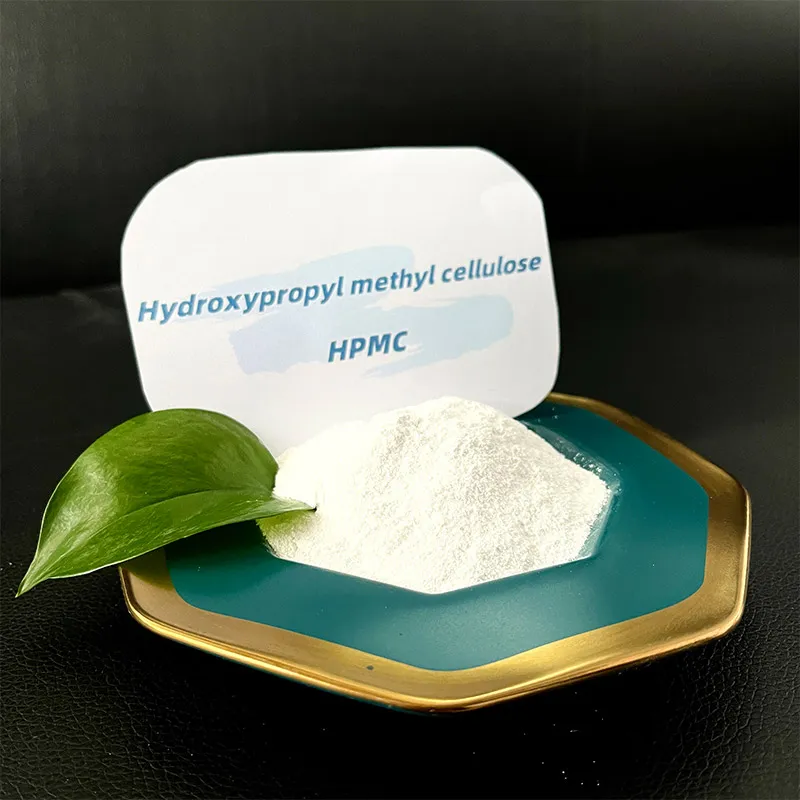
Understanding the nuances of HPMC enteric coating is crucial for anyone involved in pharmaceuticals, especially when aiming for optimized drug delivery. Hydroxypropyl methylcellulose (HPMC) is renowned for its versatility and application in enteric coatings . These coatings are specifically designed to remain intact in the acidic environment of the stomach, and only dissolve in the more neutral to alkaline conditions of the intestine, ensuring that the active pharmaceutical ingredient (API) is released at the optimal site for absorption and efficacy. The use of HPMC in enteric coating primarily involves its ability to protect drugs from gastric juices and enhance their stability and bioavailability. This protection is particularly beneficial for API that can be degraded or inactivated by stomach acid, such as enzymes and probiotics. Moreover, HPMC enteric coating can also be applied to achieve a delayed release of medication, such as in chronotherapy where timing is crucial for the medical condition being treated. A significant experience shared by pharmaceutical professionals centers around the customization possibilities of HPMC enteric coatings. Unlike other polymers, HPMC allows for a fine-tuning of dissolution properties through modification of its chemical structure, including its methoxy and hydroxypropoxy groups. This flexibility provides formulators with the advantage of designing coatings that match the dissolution profile necessary for a specific drug, taking into consideration factors like release time and intestinal pH. Expertise in applying HPMC as an enteric coating also involves a deep understanding of its interplay with other formulation components. The pH-sensitive nature of HPMC can be influenced by the presence of plasticizers, anti-tacking agents, and other excipients. A meticulous balance must be struck as improper levels can lead to brittleness or premature dissolution, thereby compromising the drug's efficacy. hpmc enteric coating Authoritativeness in the field is demonstrated by data from trials and studies indicating the effectiveness of HPMC coatings. Clinical trials consistently reveal that tablets and capsules coated with HPMC show reliable protection in the gastric region with precise release in the intestines, leading to improved patient outcomes. This empirical evidence backs the choice of HPMC by researchers and formulators seeking dependable enteric solutions. In terms of trustworthiness, HPMC offers several advantages. Its safety profile is well-established, with years of historical use and regulatory approval in various countries. It is non-toxic and non-irritating, which reinforces its credibility and suitability for both human and veterinary pharmaceutical applications. Furthermore, its natural origin as a cellulose-derived polymer appeals to the growing demand for sustainable and biodegradable excipients. In conclusion, HPMC enteric coating stands out as a crucial tool in modern drug delivery systems. Its ability to protect APIs from stomach acids, coupled with its customization potential and proven track record, makes it an indispensable component in pharmaceutical formulations. For manufacturers and formulators seeking reliability and efficacy, HPMC enteric coatings offer a time-tested solution that aligns with both current and emerging industry standards.
advantages
-

200000 Viscosities
Excellent product
We can produce pure products up to 200,000 viscosities
-

40000 tons
High yield
We don’t stop production all year round, and the annual output can reach 40,000 tons
-

24 hours
Quality service
We provide 24-hours online reception service, welcome to consult at any time
———— Inquiry Form
Schedule A services

-
 athari_ya_fiber_polypropen_katika_saruji
Oct . 25, 2025
Exploring the Intricacies of Hydroxyethyl Starch (HES) A Critical Product Insight Hydroxyethyl starc -
 hidroksimetil_selulosa
Oct . 25, 2025
Hydroxypropyl methylcellulose (HPMC) has become an integral component in the construction industry, -
 qu_est-ce_que_la_fibre_de_polypropylene
Oct . 25, 2025
Understanding HPMC Adhesive for Tiles An In-Depth Overview Tile installation is a critical aspect of


